


Blog 5 min reading
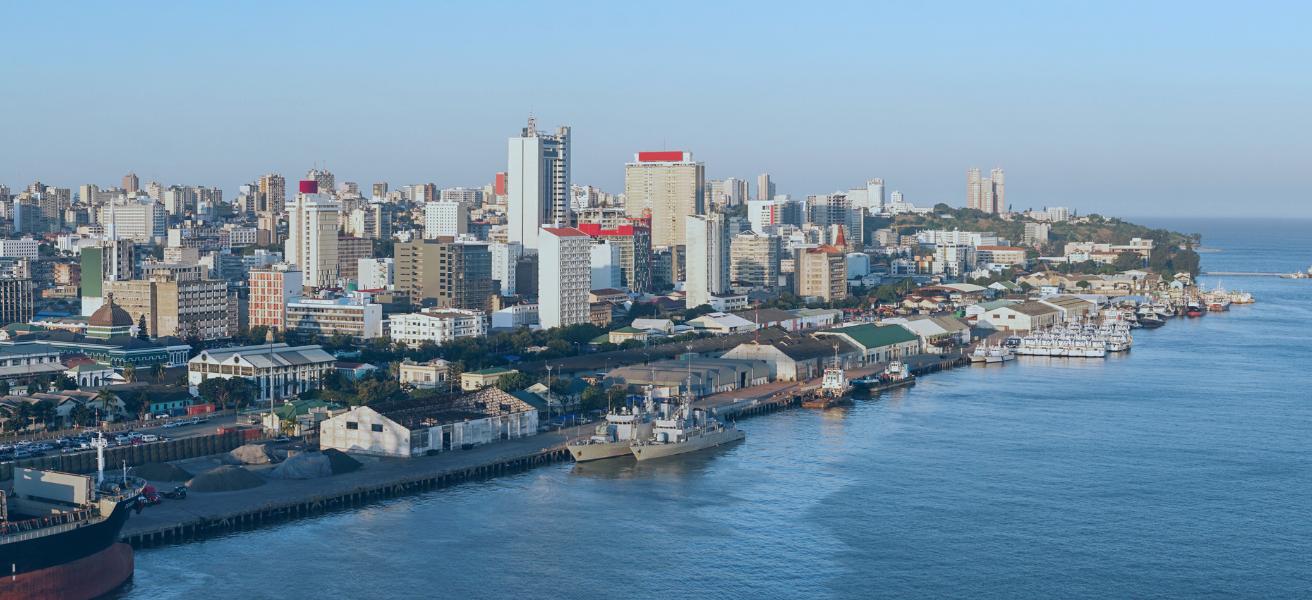
Mozambique, a vibrant country situated on the south-east coast of Africa, has been a fast-growing nation in recent years. Its transition from a developing to an emerging economy is remarkable. With a combination of abundant natural resources, a strategic geographical position and consistent political and economic reforms, the country presents itself as a jewel for attractive opportunities aimed at foreign investors.
Historically, Mozambique has faced numerous challenges. Colonised by Portugal, it suffered from the scars of colonialism and, later, civil conflict and political instability. However, the turn of the millennium saw an economic renaissance. Recent peace and stability have been the pillars for significant improvements in the economy. Reforms introduced by the government have encouraged foreign investment, strengthening the nation's economic fabric.
Mozambique is blessed with vast reserves of coal, natural gas and precious minerals. The mining and energy sector has seen a massive influx of investment. International companies are seeking local partnerships, setting up joint ventures and financing exploration projects. The Nacala corridor, for example, is a project that promises to revolutionise the transport of coal, linking the mineral-rich interior to the port of Nacala.
Agriculture represents a significant part of the Mozambican economy. With vast tracts of arable land and a climate that varies from tropical to subtropical, the country has the potential to become a major agricultural exporter. Crops such as sugar, cotton and tea are exported in large quantities, but there is still a lot of untapped potential, particularly in the areas of horticulture and floriculture.
Mozambique, with its white sandy beaches, pristine coral reefs and biodiversity-rich national parks, is fast becoming a tourist hotspot. Places like Bazaruto and Tofo are magnets for divers and beach lovers. However, the sector lacks adequate infrastructure, which means a great opportunity for investors interested in hospitality and tourism.
Technology is the future, and Mozambique is not lagging behind. The adoption of mobile technologies and the rise of tech start-ups are positive signs. Zones such as the Maluana Technology Park are becoming centres of innovation, where young Mozambicans are creating solutions to local challenges.
The Mozambican government has introduced political and economic reforms to make the environment more business-friendly. The revision of tax legislation and incentives for key sectors are positive steps in this direction. Recent political stability has also been a crucial factor in attracting FDI (Foreign Direct Investment).
Mozambique understands the need for robust infrastructure. Road, port and railway projects are underway, many with foreign funding and partnership. The Port of Maputo, for example, has undergone significant expansions to increase its capacity.
Mozambique, like any emerging market, comes with its challenges. Foreign investors must also be aware of the language, cultural and logistical barriers to ensure that they can successfully navigate the market.
Various international companies and individual investors have already made a mark in Mozambique. Analysing these cases can give you an insight into how to approach the market. Companies in telecommunications, agro-processing and energy have thrived, demonstrating that with the right approach, success is achievable.
We are living through a unique moment in Mozambique's economic history. The economy is on the rise, the fundamentals are solid and investor confidence is high. For foreign investors, there has never been a better time to come in and capitalise on this growth.
Mozambique offers a world of possibilities for visionary investors. The nation is on the threshold of an economic golden age, and those who recognise this now will reap the benefits in the future. The stage is set; it remains to be seen who will seize these opportunities.